Lunch Beat – Din viktigaste lunch

Det började med drygt tio personer i ett parkeringsgarage på Hötorget i Stockholm klockan 12 en vanlig tisdag, nu dansar 350 personer i en fullsatt klubblokal ett sten kast längre bort och dom gör det i Göteborg, Malmö och who know where också. Lunch Beat som koncept har vuxit över sina gränser och täckts av i princip alla större svenska media kanaler som SvDDNDI och SVT men även internationell media som Wired och givetvis stora mängder användargenererad media.

Vill du komma med så anmäl dig på Facebook gruppen. Vill du själv arrangera en Lunch Beat där du bor läs på hemsidan så finns allt du behöver veta Lunch Beat.

Valköping- populärt spel om kommunpolitik

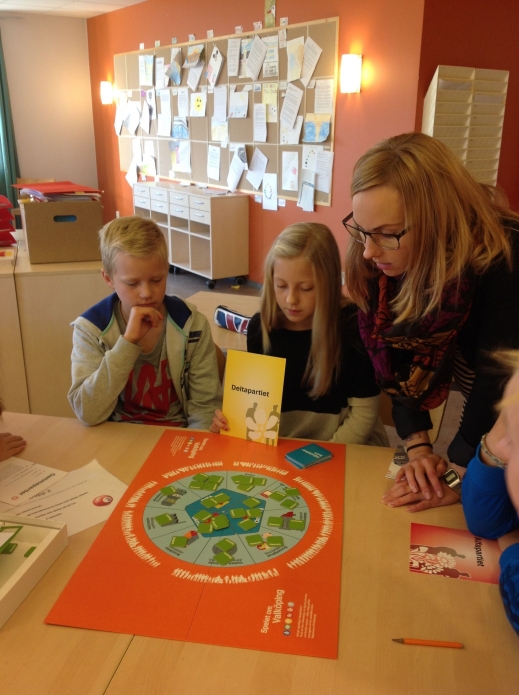
Spelet om Valköping är ett brädspel som Fabel Kommunikation har tagit fram till Sveriges Kommuner och Landsting (SKL). Spelets syfte är att på ett lättillgängligt och roligt sätt lära högstadie-elever mer om kommunpolitik.

Spelet om Valköping visades första gången på Bokmässan i Göteborg 2009. Då var det inte i brädspelsstorlek utan i en mycket större version. Efter det kläcktes den briljanta idén att spelet även borde finnas i brädspelsstorlek, så att elever runt om i Sverige faktiskt skulle kunna spela spelet. Sagt och gjort. Sedan 2010 har sammanlagt 13 000 exemplar av Spelet om Valköping blivit beställda och 8000 har levererats ut till skolor i hela Sverige. Den främsta målgruppen har varit högstadieskolor. Om alla elever som har fått tillgång till spelet har spelat minst en gång betyder det 48 000 elever.

Games for change

Fabel besökte i slutet av juni konferensen Games for Change i New York. Vår ambition var att stämma av lite om vi är med i “spelet” eller på en annan planhalva samt träffa andra med liknade mål som oss.

Det första som slog oss när vi tittade på hur produktionerna vad upplagda var likheten med det vi möter i Sverige, samverkan mellan det offentliga, privata företag och akademi. Diskursen var till stor del överlappande också med stort fokus på användarcentrerad utveckling men vissa saker skilde sig kraftigt från den minimala svenska serious gaming scenen. En person från motsvarande skolverket sa “We have to bring more pupils to do high performance and we have to do this with less resources. Games, they engage everyday and engagement is teaching and young people should enjoy the educational process. I want you to ask your self, how do we get these new ways to scale? Accelerate these findings on how to turn over the lowest performing schools”. Kostnadseffektivitet och skalbarhet samt inbyggda vertyg för bedömming vad staka trender det sista är något vi inte hört mycket av i Sverige. Det är dock inte konstigare än att policybygge bör vara eveidensbaserat och att det är något vi behöver tänka än mer på nu när det är populärt att tala om “Kultur som hälsoaspekt” eller spelbaserat lärande för det vore inte speciellt bra om beslut tog på fina berättelser och vackra visioner utan bevis. Detta kan låta hårt men om det läses tillsammans med samma persons slutkläm är det väldigt lovande “The only thing worse in the government then being risk averse is to be too hard formulated in our calls for ideas. Hard formulations would never have given us Gps or the Stealth technique”. I Sverige har vi kallat detta Innovationsupphandling och det ska bli intressant att följa utvecklingen.

Konferensen kan beskrivas som tvärvetenskaplig, det var designers, beteendevetare, konstnärer, speldesigners, policypersoner, stiftelser och forskare närvarande. Ett citat från ett NEA representaten (motsv Konstnärsnämnden) som börjat finansera spelbaserade digitala konstprojekt var intressant med hänseende på Sverige: “Your marketing strategy is key. We are federal trust, common dollars, what we fund have to reach as many as possible”, sällan av marknadsföringen står i centrum för de utlysningar som i alla fall vi svarar på. Intressanta länkar som vi snappade upp under resan var: att även i Europa kommer finns det nu en Serious-gaming konferens och nästa kommer att äga rum under våren 2012. Mobila serious gaming spel kommer att bli hett, här är ett av de första ambitiösa försöken.


Man vill ju häpna också… Två projekt stack verkligen ut på konferensen både i budget och storslagenhet. Det ena var Världsbankens spel Evoke designat av grun Jane McGognigal som har skapat en väldigt nyskapande “topp-lista” för spelare som är värd att titta på. Det andra var också ett transmedia spel America 2049, spelet hade så många nivåer och hemsidor att det inte ens går att börja beskriva. Slutligen åkte vi hem och kunde glatt luta oss tillbaka och se att våra produktioner helt klart var i nivå med våra kollegor från andra länder.  

Crowdculture vinner internationell tävling

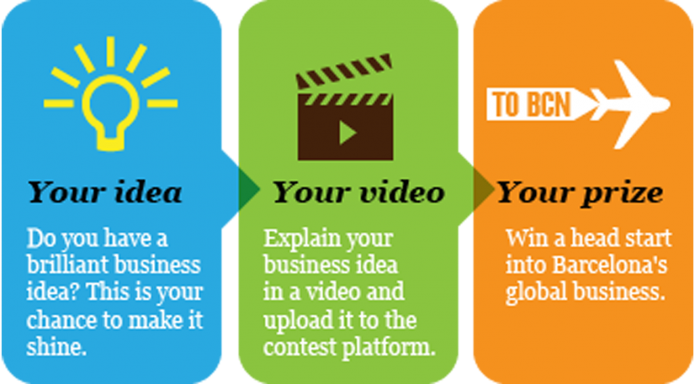
“We are proud to present the winner of the online entrepreneurial competition, Shine in Barcelona, with the motivation ‘.. uses modern technoloy and 21st Century business model innovation to create a solution that address a pressing issue..’ – Dr Terrance. Brown Shine in Barcelona congratulates CrowdCulture!”

Nu har vi en fantastisk bra möjlighet att sprida systemet till andra delar av Europa. Modellen av private public partnership med crowdsourcade beslut är förmodligen gångbar på många platser i Europa. Vår långsiktiga förhoppning är att en spridning kan underlätta trans nationell rörlighet på kulturområdet.


Gästblogg


Det lanseras många olika former av crowdfundingplattformar runt om i Europa just nu. De flesta är tydligt inspirerade av Kickstarter och IndieGoGo samt orginalet Kiva, men det finns de som skiljer sig från denna standard. I artikeln som vi länkat till nedan träffar vi Ed Whiting grundare av WeDidThis.org ett Brittiskt crowdfundingsystem.

Läs mer på Media Evolution


Published

Allvarligt på nätet

Vad händer när den du älskar får ett plötsligt utvisningsbesked och blir tvungen att gå under jorden? Hur gör man för att leva på fattigdomsgränsen med stoltheten i behåll? Vi har under våren skapat innehåll till ett spel om med flyktingskap och fattigdom i centrum som skapas av GR-utbildning på uppdrag av Amnesty. Spelet kommer spelas av främst gymnasieelever och utspelar sig på flera noder på nätet så som bloggar, twitter och Myspace. Ett spännande exempel på hur serious games kan flytta ut på nätet i en transmedial design.

Vill du använda spelen så hittar du dem på Amesties sajt Mitt ibland oss

Crowdculture vinner internationell tävling


“We are proud to present the winner of the online entrepreneurial competition, Shine in Barcelona, with the motivation ‘.. uses modern technoloy and 21st Century business model innovation to create a solution that address a pressing issue..’ – Dr Terrance. Brown Shine in Barcelona congratulates CrowdCulture!”

Nu har vi en fantastisk bra möjlighet att sprida systemet till andra delar av Europa. Modellen av private public partnership med crowdsourcade beslut är förmodligen gångbar på många platser i Europa. Vår långsiktiga förhoppning är att en spridning kan underlätta trans nationell rörlighet på kulturområdet.

Published

(English) WEDIDTHIS – A DEEP DIVE IN THE UNTAPPED POTENTIAL OF CROWD FUNDING


There are many different crowd funding models popping up around Europe right now. Most of them are clearly inspired by Kickstarter and IndieGoGo, but some of them differ in from the “standard”. In this article we meet Ed Whiting founder of WeDidThis.org a UK base crowd funding system.

Launched about 8 weeks ago WeDidThis currently attracts 2000 visitors per week in the UK. The platform has an unusual purpose among crowd funding system, in that it currently concentrates on crowd funding of initiatives from cultural institutions (although plans to expand to include individual artists soon). As the cultural sector of the UK is experiencing tough cuts it might become an important extra income. But for Whiting it seems to be other interests behind the initiative.  He sees the open funding processes as a way to invite the audience in the cultural creation and he thinks this will be well received by citizens

“I think arts audiences in the UK would respond really well to the offer to be integrated in art, to be part of it.”

What kind of incentives is there for people to participate in this work?

“I think it is important not to focus not just on merchandising- there are so much more value created by the arts and the creative process. Think for example of the value to sit in on a rehearsal. Could the institutions work with common creative’s as incentives.”

Now there are eleven projects on your site. What are the reactions from the institutions like?

“This is a cultural shift. Few of the institutions participating in our pilot have asked for money in this way before. Some have been very positive and doing actions everyday and have created a big audience. Even those who have not done so well so far I think have got a lot out of the experience, since the process of being on WeDidThis.org.uk has forced the institution to open itself up to existing and new audiences and supporters.”

What cultural institutions have it easier?

“It depends – whilst films and music have historically done well on crowd funding sites, I think there is huge untapped potential from cultural institutions that you would not expect to get involved in crowd funding. For example galleries, they tend to have a relatively large infrastructure of staff and volunteers, and gift shops, cafes, meeting spots where the institutions could reach potential funders. Those who have been able to integrate the resources into to the funding have the potential to do really well, but we have not yet seen any institution really make this happen through a crowd funding site. The bigger institutions that we have talked with so far have liked the model, but they inevitably find it difficult to integrate crowd funding with their existing fundraising, and it will take time.”

What do you see as the benefits of being on WeDidThis?

“First of all I see this as more then fundraising. It is a way to relate fundraising right back to the participating artist or organisation’s mission and to their art. The artistic identity remains or get strengthened by this process and you get an insight in how valuable the artistic work can be to its audiences. At the same time it gives a great third party validation – if you have 150 investors behind you, that could be really valuable in opening things up for other sources of funds.”

Except from integrating the existing resources what does the institution have to do?

“They have to make a compelling offer, rewards that are much more then just “like me”. Then you have to articulate this offer and offer some form of conversation with their funders and supporters, in a way that is easily spreadable.”

COMPETITIVE EDGE DEPENDS ON PAN-EUROPEAN THINKING

There is an inspiring creativity going on in the field of modelling crowd funding. We will hopefully see many initiatives over the coming years. Exactly what will happen is of course only up for speculations but some things we can know.

Regulatory frameworks will always affect design. It does not matter if it is taxation of land that pushes creativity within architecture or if it is national taxation laws that pushes idea generation around crowd funding systems.

Even though that there has been a homogenization of regulation in Europe due to EU there are still many unique national verities. I guess this will generate a large number of innovations the up coming years all claiming that they are solving some specific national issue. Is this good or bad? From my point of view it is kind of bad since all these models are sensitive to scale. But if we want to have a competitive edge in this industry, that is dependent on big amounts of micro transactions, we will need to see a consolidation to a pan-European thinking around the modelling and implementation or there will be many small not for profit initiatives around never really taking off.

For you interested in British crowd funding, also have a look at Sponsume and We Fund.

Published

Utfall från betatest

Crowdculture har gjort världens första crowdsourcade utlysning av kulturmedel i samarbete med “Innovativ Kultur” en del av Stockholms stad.
Det b
ifogade dokumentet är en rapport kring de projekt som lyckats med sina projekt och hur de privatpersoner som medfinansierat förhållit sig till testet.

[scribd id=51907218 key=key-1un3uncmkeh51qzz016k mode=list]


Han digitaliserar finlands kulturarv med hjälp av spelmekanik & tiotusentals frivilliga


Välkommen att träffa Ville Miettinen i Stockholm 17/3

Som VD och grundare av Microtask, ett företag kommersialiserar teknik för att distribuera digital arbetskraft, besöker Ville Miettinen Truly Yours för att berätta om projektet Digitalkoot – ett samarbetsprojekt mellan Nationalbiblioteket i Finland och Microtask för att digitalisera det finska kulturarvet med hjälp av spelmekanik och tiotusentals frivilliga.

Ville Miettinen har en gedigen bakgrund inom datorgrafik, och var en av grundarna avHybrid Graphics – ett  sant frontlöparföretag inom realtids-3D-grafik när det först begav sig. Idag är han en seriell entreprenör från Finland som utvecklat sitt fokus mot crowdsourcing, cloud labor och omvälvande teknik som förändrar människors sätt att arbeta över hela världen.

Konferensen Truly Yours – methods for participation undersöker, kritiserar och testar hur delningskultur, crowd sourcing och deltagande förändrar villkoren på marknaden, i samhället och i det offentliga rummet.

Konferensen Truly Yours äger rum torsdag 17/3  Södra Teatern i Stockholm.

Välkommen att ta del av mer information och boka din biljett!


Published